A Culture of Care
Hi, it's Mark (the other half of Winedown Permaculture) writing today. This blog is not meant to preach but to encourage positive change!
In our world today we hear a lot about a variety of doomsday scenarios. Global warming and climate change, wars, pandemics and hugely escalating concerns regarding our mental health and general well being.
But, who cares, what is the answer and how can we change the narrative? The practice of Permaculture may just have the answer. Permacultures ethics of People Care, Earth Care and Fair Share are a step in the right direction in achieving a permanent culture. The way I see it, the problem sits with waiting for change to come from the top down. I'm not wanting to be political but when we rely on our current political and economic system where making money is at the heart of living, important aspects of care go by the wayside.
If Governments, Politicians and big business care, why are pesticides and herbicides allowed to be used to grow our food and then be ingested by consumers? Why is glyphosate allowed to be used to halt weed growth and enter our waterways, oceans and food systems? Why do we clear fell our native forests and clear all our pastures if we are concerned about global warming? Why are we encouraged through advertising to kill off any living thing that attempts to share our environment?
We need to presume they don't care enough to make the necessary changes so we have to care and start changing things from the bottom up. The more of us that follow the ethics of permaculture the better our world will be for generations to come. Grow as much of your own food organically as you can, embrace the wonderful world of creatures that will come when we plant and grow at our homes and don't use pesticides and herbicides for any purpose.
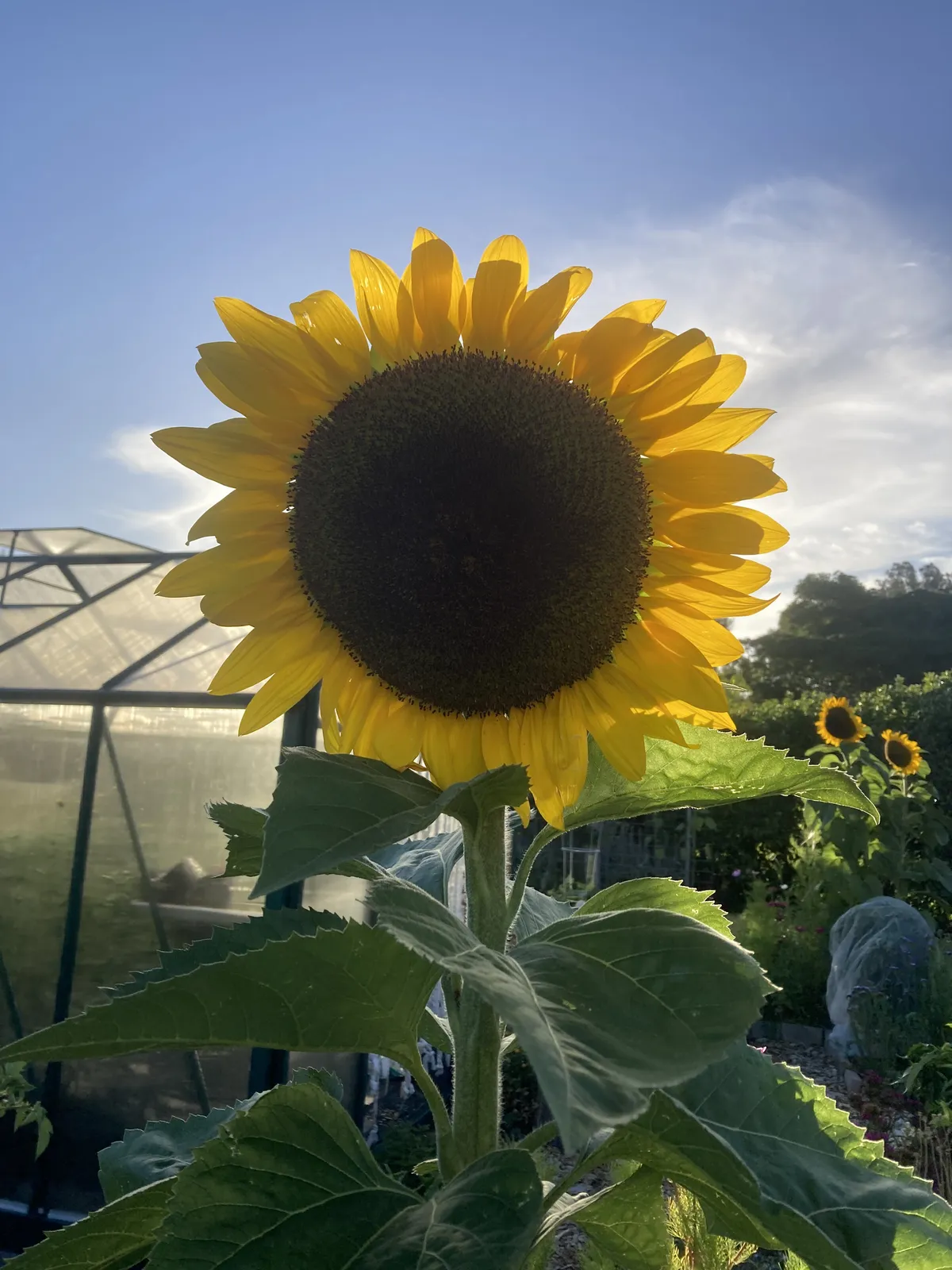
If we all start small, using the resources you may have, it will make a difference as more and more like minded people join to work towards a permanent, positive and healthy culture for our future. By showing our children and grandchildren what is possible is key for the longevity of a culture of care.
A culture of care will encourage hope and hope is an optimistic state of mind that can encourage kindness, positive actions, resilience and the belief that a better future for generations to come is possible!
Happy to take on board comments and others point of view, so don't be shy.